



Today, we’re taking on a topic we’ve been seeing everywhere: Can you actually eat your way out of a sunburn? We’re sharing our opinions - plus taking a deeper look at the foods that can help support and protect your skin. These are simple, proactive steps anyone can take for healthier skin from the inside out.
We’re also spotlighting the powerful, anti-inflammatory spice, turmeric. With so many potential benefits, you won’t want to miss our breakdown of why it matters and how to easily incorporate more of it into your daily routine - including through our Turmeric Tea recipe.
We’d love to hear from you:
How do you care for your skin? Is it all about SPF and sun protection? A skin-supportive diet? Or something else entirely? Let us know in the comments!
(P.S. Become a paid subscriber to unlock the full conversation.)


Can You Eat Your Way Out Of A Sunburn?
Dr. Weil's Take:
Living in Arizona for the past 40 years, I take skin health and sun exposure seriously. I apply sunscreen to my head and face every morning and wear a hat when I go outside. Every time.
That said, I do believe diet can play a supportive role in protecting the skin from UV damage - when practiced alongside good sun habits. However, I absolutely do not recommend discarding your sunscreen.
One study I found particularly compelling looked at the effects of grape consumption - specifically, whole-grape powder – equivalent to eating about 2¼ cups of grapes per day for two weeks. That’s quite a bit more than most people typically eat. Still, the findings were impressive: participants required more UV exposure to get sunburned, and they showed reduced markers of DNA damage and inflammation.
Please know that eating a bowl of grapes right before heading to the beach won’t provide immediate protection. The benefits seem to come from
consistent intake over time, likely thanks to the antioxidant compounds in grapes - especially polyphenols like resveratrol.
Other nutrients may offer similar skin-supportive effects, including omega-3 fatty acids, lycopene (found in tomatoes), beta-carotene (from carrots and sweet potatoes), and turmeric, which has well-known anti-inflammatory properties.
In short, while diet alone won’t make you immune to sunburn, it can help build long-term resilience in your skin. Think of it as one piece of the puzzle - best used alongside smart sun practices.
Diana’s Take:
I’ve built my career on the belief that what you eat matters and that diet has the power to transform your health (for better or worse). There has been a growing trend on social media suggesting that diet alone is enough to prevent sun damage, and I find that messaging to be not only misleading but also potentially dangerous.
Listen, I would love to tell you that food alone can protect your skin from the sun - convincing people that a healthy diet is important is my job! But, unfortunately, that’s just not how it works. I also get it - I don’t love the ingredients in a lot of sunscreens, and I try to stick with products that use zinc oxide, even if they leave me looking ghostly white. I also believe that many of us are low in vitamin D and could probably benefit from more safe sun exposure.
That said, I still think skin cancer is far more concerning than the dangers of wearing sunscreen.
But I do think diet can play a supportive role. A diet high in antioxidants, healthy fats, polyphenols, and anti-inflammatory foods does seem to be able to help protect your skin from the inside out. There is evidence that the intake of certain foods can help your skin become more resilient to UV damage over time. But this isn’t a replacement for sunscreen.
Eating a healthy diet rich in vegetables, fruits, and whole foods will support every system in your body, including your skin. However, please don’t rely solely on food as your defense against the sun.
Food and Sunburns: Preventing Future Damage

Once you’ve gotten a sunburn, you can’t eat your way out of it. However, you may be able to support your skin’s recovery and resilience through nutrition and possibly help prevent future damage by building up your skin's internal defenses.
Here’s what food can (and can’t) do when it comes to sunburns:
What Food Can’t Do
Food will not instantly heal a sunburn or reverse sun damage already done.
Food won’t prevent sunburns outright.
You still need external protection, such as sunscreen, shade, and UPF clothing. A healthy diet is supportive but not a replacement for smart sun habits.
What Food Can Do
Certain foods can:
Help reduce inflammation after a sunburn
Support faster healing of damaged skin
Boost your skin’s natural UV resistance over time
Provide antioxidants that may help limit cellular damage caused by UV exposure
Best Nutrients for Sun Protection & Recovery
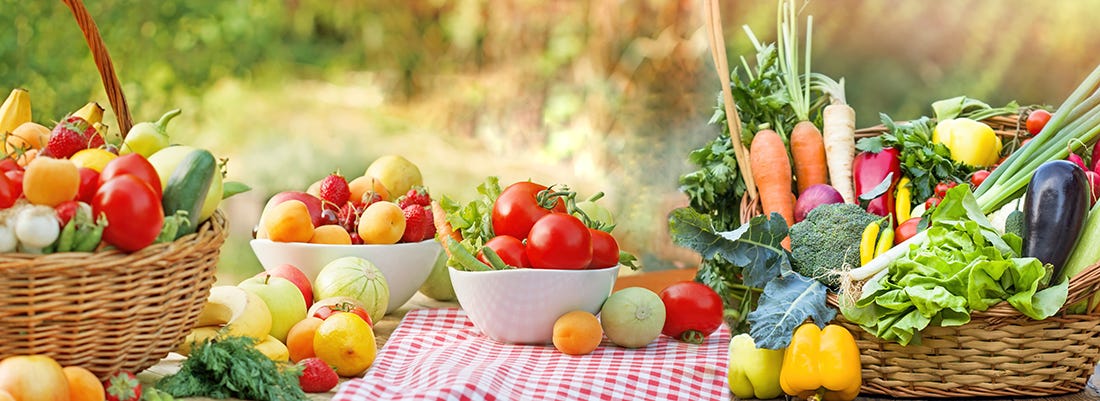
Focus on a diet rich in anti-inflammatory and antioxidant-rich foods to help your skin heal faster, reduce long-term oxidative stress, and enhance your skin’s natural resilience to sun damage. The following six foods are a good place to start in helping to support your skin and promote recovery from damage - all are part of Dr. Weil’s Anti-Inflammatory Food Pyramid!

1. Lycopene
A powerful antioxidant that may help protect skin from UV damage.
Sources: Cooked tomatoes, watermelon, pink grapefruit, red bell pepper

2. Vitamin C
Supports collagen production and immune defense and may help reduce skin inflammation.
Sources: Citrus fruits, berries, bell peppers, broccoli, kiwi

3. Vitamin E
Works alongside vitamin C to reduce oxidative damage.
Sources: Almonds, sunflower seeds, spinach, avocado

4. Beta-carotene & Vitamin A
May help prevent sunburn severity when consumed regularly.
Sources: Sweet potatoes, carrots, kale, butternut squash

5. Omega-3 Fatty Acids
Anti-inflammatory fats that help reduce skin sensitivity and dryness.
Sources: Salmon, chia seeds, walnuts, flaxseed, sardines

6. Polyphenols
Helps protect skin cells from UV damage.
Sources: Green tea, dark chocolate, and berries

Turmeric Benefits For Health
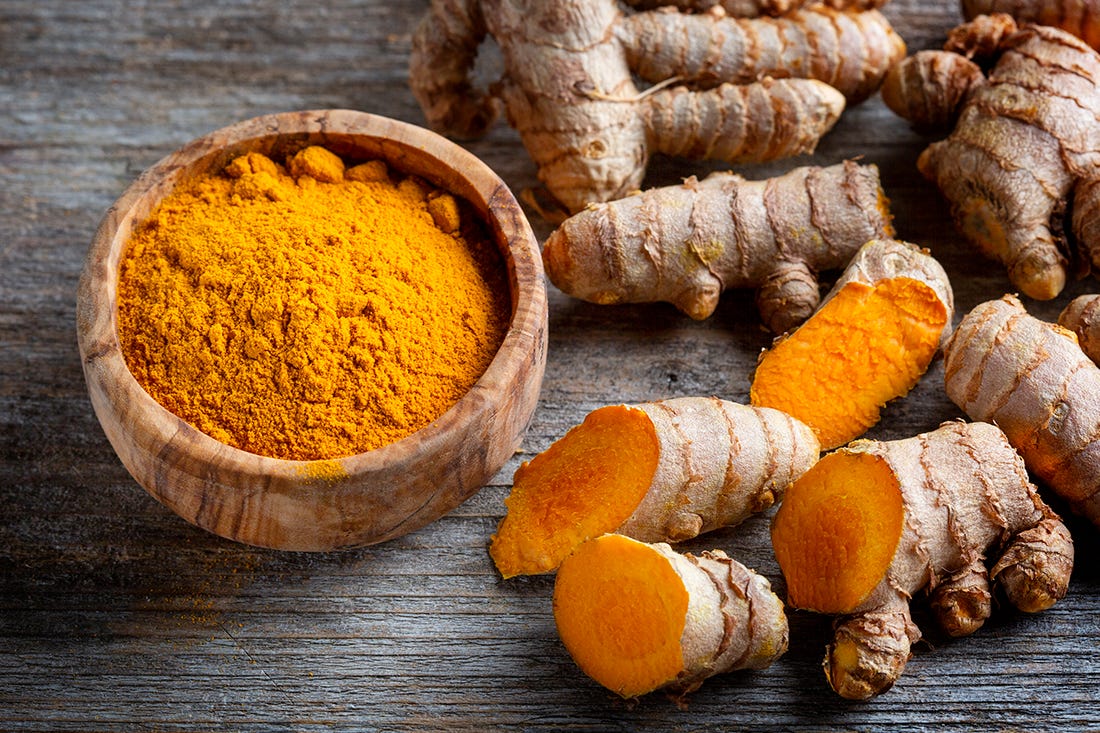
One of the most comprehensive summaries of the benefits of turmeric to date was published by James A. Duke.
Reviewing some 700 studies looking at turmeric’s health benefits, Duke concluded that turmeric appears to outperform many pharmaceuticals in its effects against several chronic, debilitating diseases and does so with virtually no adverse side effects.
Here are some of the diseases that turmeric has been found to help prevent or alleviate:
Alzheimer’s disease: Duke found more than 50 studies on turmeric’s effects in addressing Alzheimer’s disease. The reports indicate that extracts of turmeric contain a number of natural agents that block the formation of beta-amyloid, the substance responsible for the plaques that slowly obstruct cerebral function in Alzheimer’s disease.
Arthritis: Turmeric contains more than two dozen anti-inflammatory compounds, including six different COX-2 inhibitors (the COX-2 enzyme promotes pain, swelling, and inflammation; inhibitors selectively block that enzyme). By itself, writes Duke, curcumin – the component in turmeric most often cited for its healthful effects – is a multifaceted anti-inflammatory agent, and studies of the efficacy of curcumin have demonstrated positive changes in arthritic symptoms.
Cancer: Duke found more than 200 citations for turmeric benefits related to cancer and more than 700 for curcumin and cancer. He noted that in the handbook Phytochemicals: Mechanisms of Action, curcumin and/or turmeric were effective in animal models in the prevention and/or treatment of colon cancer, mammary cancer, prostate cancer, murine hepatocarcinogenesis (liver cancer in rats), esophageal cancer, and oral cancer. Duke said that the effectiveness of the herb against these cancers compared favorably with that reported for pharmaceuticals.
Getting More Turmeric
If you want to benefit from the anti-inflammatory effects turmeric provides, you need to ingest more! As turmeric is not naturally present in foods other than the turmeric root itself, you will need to add it to meals or take it as a supplement. To get more turmeric into your diet, try the following:
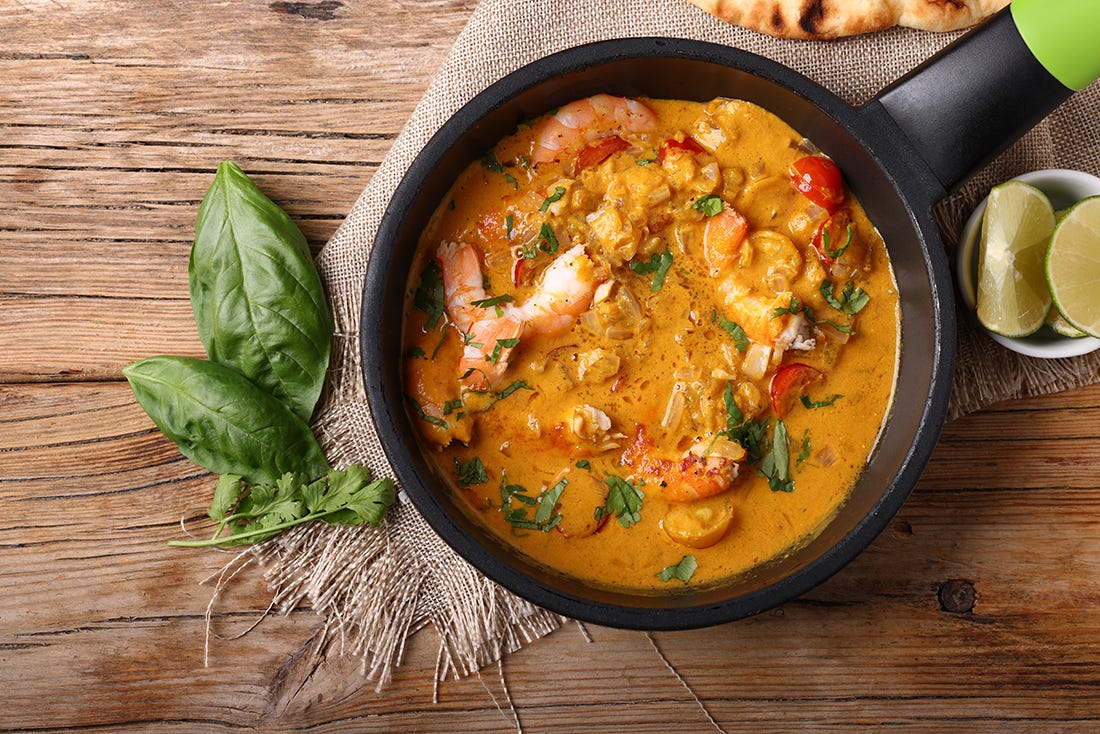
Add Fresh or Powdered Turmeric To Your Diet. Fresh turmeric resembles ginger root and can be used similarly. Try it grated in smoothies and juices, added to curries and stews, incorporated into rice or grain dishes, and used in the preparation of sauerkraut or fermenting vegetables. Additionally, it can be used in herbal teas and broths (see below for a Turmeric Tea Recipe). Ground turmeric is readily available in spice aisles and can sprinkled into curries (Indian, Thai, Moroccan dishes), used in golden milk or turmeric latte recipes, rubbed onto meat or tofu before cooking, sprinkled on soups, lentils, and roasted vegetables, and added to scrambled eggs or tofu.
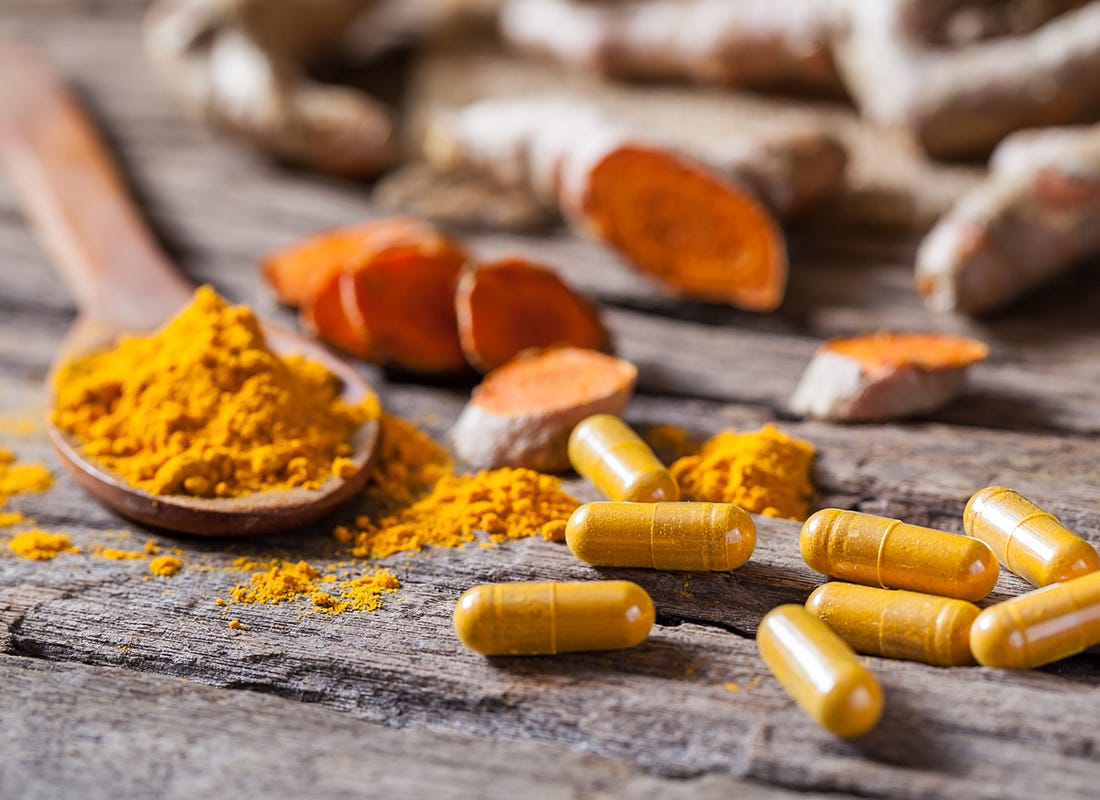
Take a Turmeric Supplement. You can also use turmeric extracts in tablet or capsule form. Look for supercritical extracts in dosages of 400 to 600 mg, and take three times daily or as directed on the product.

Make Turmeric Tea. Dr. Weil discovered turmeric tea during one of his many trips to Okinawa, the island nation with the world’s longest average life span, 81.2 years. Okinawans drink copious quantities of turmeric tea. Some brew it fresh, but others simply buy cans or powdered instant versions of unsweetened tea from their local stores. To make your own turmeric tea simply:
Bring four cups of water to a boil.
Add one teaspoon of ground turmeric and reduce to a simmer for 10 minutes.
Strain the tea through a fine sieve into a cup; add honey and/or lemon to taste.
Add a pinch of black pepper to increase absorption.
A note on absorption: Turmeric’s active compound, curcumin, has low bioavailability on its own. This means for your body to best absorb the benefits of turmeric, it should paired with one of the following:
Black pepper (contains piperine)
Healthy fats (olive oil, coconut milk, avocado)
Heat may also increase availability, so cooking with turmeric is a great option!

Summer salad recipes
IS MSG OK to eat?
A homemade pizza recipe
Do you need electrolytes?
Thanks for this great advice! I would love to know your favorite sunscreens!