

Subscribe for access to all that the WEIL Nutrition Corner™ and Nourished Mama Collective offers.
C-Section and Gut Health
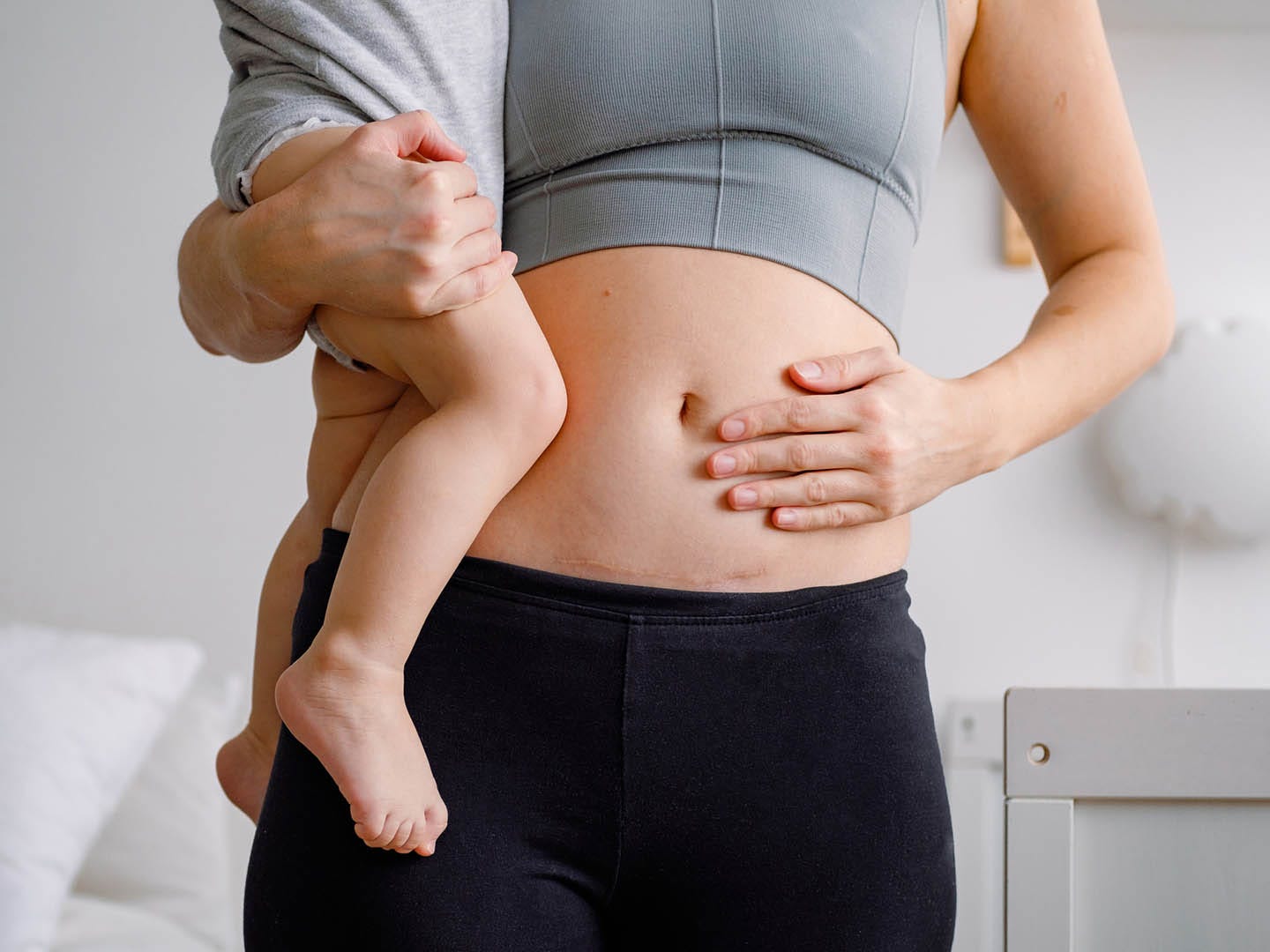
I ended up having a semi-emergency c-section with Elio, and while, of course, the most important thing was that we were both safe, one of the things I mourned when I was told that was our only option was his gut health. One of the reasons I needed a C-section was because I developed a uterine infection, which meant more medications and antibiotics during and after birth. So I also had to think about my gut health and how to restore it.
Research shows that babies born via C-section have different microbiomes than babies born vaginally. This is because they receive fewer beneficial bacteria from the birth canal and from immediate skin-to-skin contact. These early gut differences can still be seen months and, in some studies, even years later. There’s a lot we don’t know about the gut microbiome or what this means long-term. But we do know that having a healthy and diverse gut microbiome plays a role in immune development, allergy risk, digestion, and potentially even metabolic health.
One strategy for boosting the gut microbiome post-C-section is “vaginal seeding.” Gauze from the birth canal is swabbed onto the baby after delivery to help seed the microbiome. Because I had an active infection, this wasn’t safe or recommended in our case. So when we left the hospital, I focused on supporting both of our microbiomes in other ways. I took a probiotic for a few weeks post-birth to help replenish some of what antibiotics reduce. Probiotics can be tricky, as most of the good bacteria don’t survive the digestive tract intact. However, after antibiotics or surgery, probiotics are still recommended to help restore gut balance.
I also gave Elio a probiotic for the first few months of life. Some bacterial strains thought to be especially important for c-section babies can be harder to find and may be more expensive. Still, they may be worth considering if accessible.
Now that he’s a year and a half, I focus mostly on the foundation of his gut health with lots of high-fiber foods, fruits and vegetables, fermented foods, and minimizing processed and high-sugar foods. These are the foods that help beneficial gut bacteria thrive naturally, regardless of birth.
It’s still something I think about, but I also remind myself that the microbiome is dynamic and adaptable. We’re learning more every year, and there are so many ways to support gut health beyond birth alone.
I would love to know: Did you have a c-section? If so, did it change how you approached your and your baby’s health? Share below!